


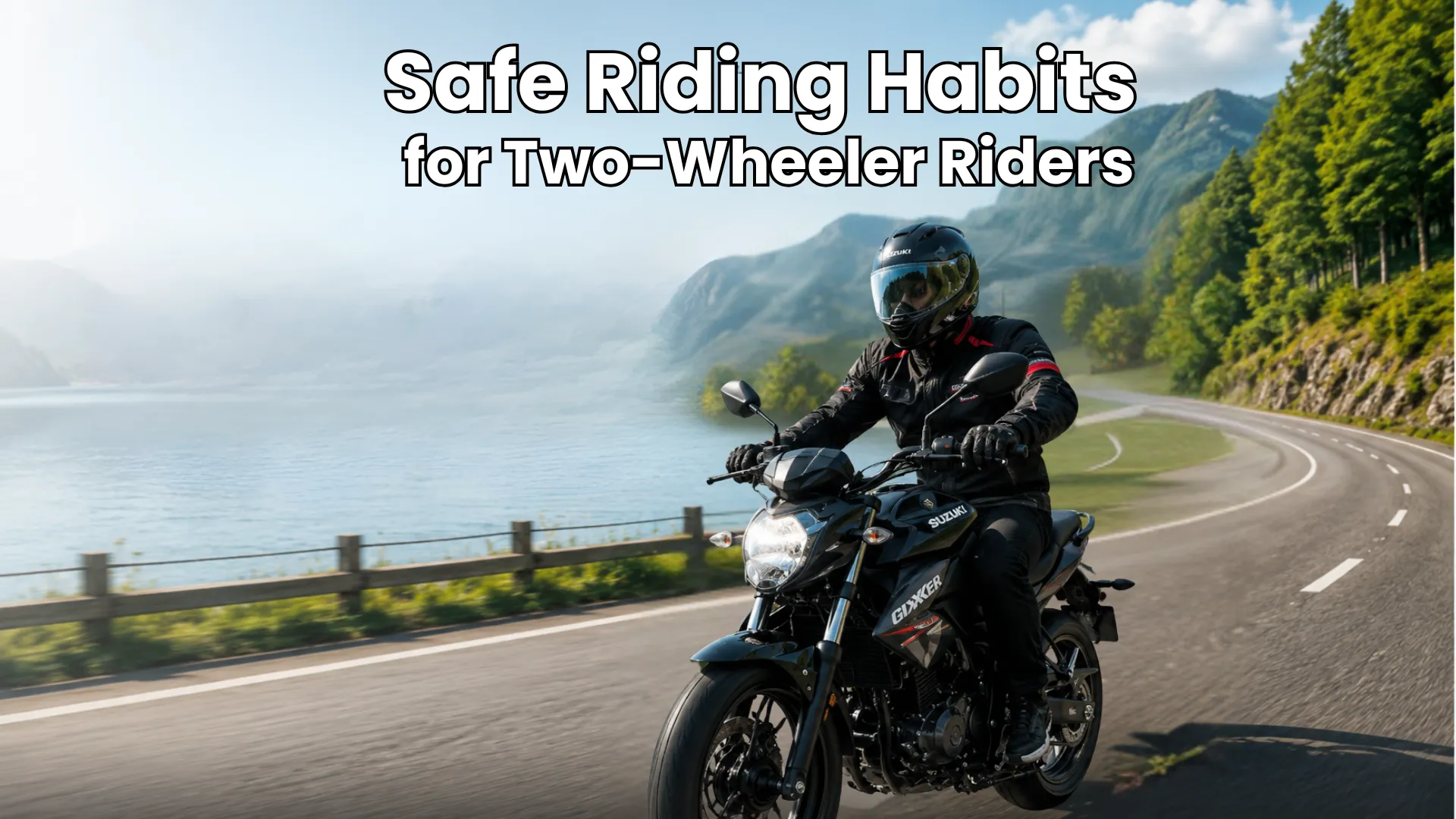
The thrill of riding a two-wheeler, the sense of freedom, the agility in traffic, and the pure riding experience make it a preferred choice for millions across India. However, this exhilarating experience comes with responsibility. Understanding and implementing road safety measures are essential to ensure every ride is not only enjoyable but also secure.
The Foundation of Safe Riding
Safe riding begins even before you start the engine. It’s a combination of preparation, awareness, protective gear, and responsible decision-making. Two-wheelers require riders to be more vigilant and proactive about safety compared to four-wheelers. The absence of a protective structure in two-wheelers makes it crucial for riders to rely on skill, alertness, and safety habits.
Pre-Ride Preparations: Setting Yourself Up for Success
Choose the Right Vehicle
Your riding experience starts with selecting a two-wheeler that matches your physical capabilities and riding needs. Don’t be swayed solely by appearance or brand perception. Consider whether you need a motorcycle or a scooter based on your daily requirements, commuting patterns, and comfort level.
Test-ride different models to find one that feels balanced and easy to handle. Your nearest authorised Suzuki dealer can help you identify the right vehicle that suits your specific needs.
Always Wear a Helmet
A certified helmet is your most critical safety gear. Always opt for an ISI-certified full-face helmet that protects your head, face and jaw. It should fit securely without compromising comfort and comply with the latest safety standards. For pillion riders, provide a separate, properly fitted helmet.
Beyond helmets, consider investing in additional protective gear such as riding jackets, gloves, and proper footwear. While these may seem excessive for short city rides, they provide valuable protection in case of falls or slides. For enhanced safety, especially on longer journeys or highway rides, knee and elbow guards provide an additional layer of security and confidence on the road.
Pre-Ride Vehicle Inspection
Make it a habit to inspect your two-wheeler before every ride. Check tyre pressure and tread condition; properly inflated tyres with good tread are essential for grip and handling. Test both brakes to ensure they respond smoothly and effectively. Verify that all lights, including the headlight, taillight, brake light, and indicators, function properly.
Adjust mirrors to provide clear rear and side visibility. This quick yet essential routine takes only a few minutes, but plays a crucial role in preventing mechanical issues that could compromise your safety on the road
On-Road Safety Practices
Master the Basics Through Practice
If you’re new to riding or have a new vehicle, begin by practicing in controlled environments before entering into heavy traffic. Service roads or open areas provide safe spaces to familiarize yourself with throttle response, braking behaviour, clutch control, and gear shifting. Understanding how your vehicle responds to inputs builds both confidence and muscle memory, essential for a safe and composed riding experience on the road.
Visibility: See and Be Seen
Despite their size, two-wheelers can often be less noticeable to other drivers. Enhancing your visibility is therefore essential, which can be done through:
- Keep your headlights on even during the day – a simple yet highly effective way to increase your presence on the road.
- Wear bright or reflective clothing that catches attention.
- Consider adding reflective strips to your helmet and vehicle.
- Position yourself in lanes where you’re clearly visible and avoid lingering in blind spots, particularly of trucks and buses.
Night riding and highway travel demand extra caution regarding visibility. Ensure all your vehicle lights function properly, and incorporate additional reflective elements to further enhance your visibility and overall road presence.
Maintain Safe Following Distance
Tailgating, riding too close to the vehicle ahead, is a common yet high-risk practice. Maintaining adequate following distance provides necessary reaction time needed if the vehicle in front brakes suddenly or changes direction.
This buffer also gives you space to manoeuvre around obstacles or avoid potential hazards. The recommended following distance varies with speed, but a good rule is to maintain enough space to clearly see the entire vehicle ahead and have time to react to their actions.
Approach Intersections and Turns with Caution
Intersections and turns are high-risk areas where multiple traffic streams converge. Reduce your speed when approaching these areas, even if you have the right of way. This gives you better control and more time to react to vehicles that might not yield properly.
Stay alert for turning vehicles, crossing pedestrians, and other two-wheelers that might change direction unexpectedly. Always use your indicators well in advance, allowing other road users to anticipate your movements and ensuring a safer, more coordinated flow of traffic.
Navigate Weather Challenges
Weather conditions dramatically affect riding safety. Rain reduces tyre grip, decreases visibility, and makes road markings harder to see, while strong winds can destabilise lighter two-wheelers. Fog further compounds risk by severely limiting visibility for both riders and other road users.
Whenever possible, it is advisable to avoid riding in adverse weather. If unavoidable, adopt a more cautious approach by
- Reducing speed substantially
- Increasing following distances
- Ensuring your lights are on to maximise visibility
Be particularly cautious on painted road markings and metal surfaces, as these become exceptionally slippery when wet.
Stay Alert and Focused
Distractions remain one of the leading causes of road incidents and must be avoided at all times. Never use mobile phones while riding, whether for calls, messages, or navigation. If you need to check your phone or adjust navigation, pull over safely first.
Maintain complete focus on the road by continuously scanning ahead for potential hazards, checking mirrors at regular intervals, and staying aware of surrounding traffic. Equally important is recognising the impact of fatigue. Riding while excessively tired can significantly reduce reaction time and impair judgement.
For longer journeys, take regular breaks every one to two hours to rest, recharge, and ensure sustained alertness throughout your ride.
Always Follow Traffic Rules
Resist the urge to perform stunts or aggressive manoeuvres. Riding in zigzag patterns through traffic, excessive leaning in turns, or attempting wheelies puts you and others at serious risk. Such behaviour demonstrates poor judgment and compromises overall road safety. Instead, prioritise smooth, controlled, and predictable riding, keeping both wheels firmly grounded at all times.
Equally important is recognising your own skill level. Avoid pushing beyond your level of experience, whether it’s high-speed highway riding or navigating challenging conditions such as heavy rain or dense fog. Confidence on the road is built progressively, and responsible riders know when to stay within their limits.
Additional Safety Considerations
Route Planning
For longer trips, plan your route in advance. Know where you’ll take breaks, refuel, and rest. Share your route and expected arrival time with someone. Familiarity with your route reduces stress and allows you to focus on safe riding rather than navigation.
Regular Maintenance
Schedule regular service appointments at Authorized Suzuki Service Centers. Professional maintenance ensures all components function properly and identifies potential issues before they become dangerous. Follow the maintenance schedule recommended in your owner’s manual.
Continuous Learning
Road safety isn’t static, new challenges emerge, and best practices evolve. Stay informed about safety recommendations, participate in rider training programs when available, and learn from experienced riders. The more you know about safe riding techniques, the better equipped you are to handle unexpected situations.
Emergency Preparedness
Despite all precautions, emergencies can occur. Carry a basic tool kit appropriate for your vehicle. Know how to perform minor roadside fixes like tyre inflation or tightening loose components. Keep emergency contact numbers accessible. If you’re involved in an accident, know the proper procedure, ensure everyone’s safety first, call for medical help if needed, and document the scene if possible.
The Broader Impact of Safe Riding
Your commitment to safe riding extends beyond personal safety. Responsible riders contribute to overall traffic safety, setting positive examples for others and creating a culture of respect on the roads. Families depend on riders to return home safely. The community benefits when all road users prioritise safety.
Conclusion
Road safety in two-wheeler riding is a holistic commitment, one that brings together the right equipment, consistent vehicle maintenance, skilled riding, and responsible decision-making. Each of these elements works in unison to create a well-rounded and reliable approach to safety. While regulations offer essential guidelines, true safety lies in developing disciplined habits and a genuine sense of responsibility towards yourself and others on the road.
Your Suzuki two-wheeler is engineered for reliability and performance. Complement this precision engineering with your own commitment to safe riding practices. Make safety gears indispensable, maintain your vehicle with care, ride within your capabilities, and remain alert and prepared at all times.
