


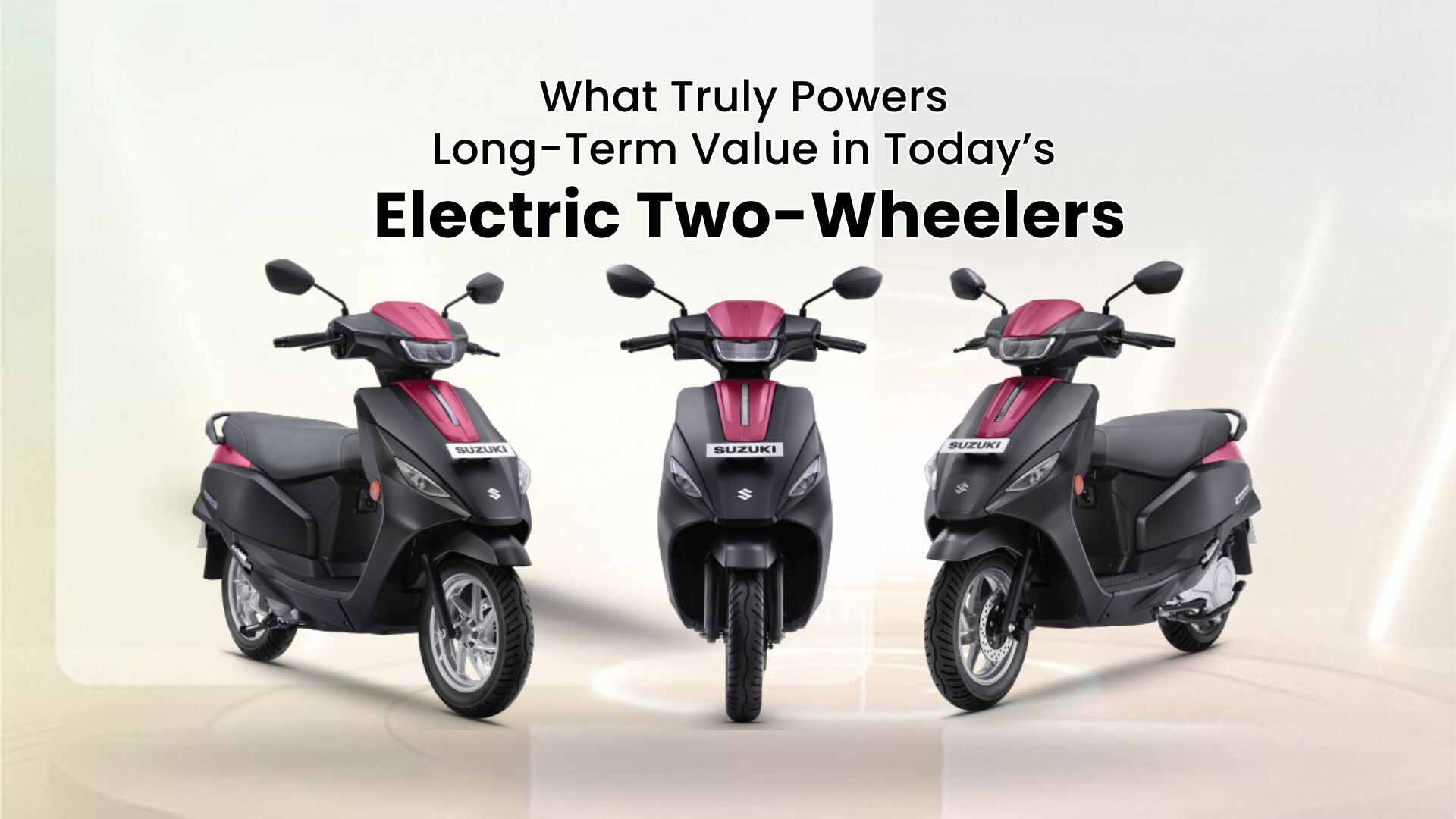
Electric two-wheelers are becoming an integral part of mobility in India. As adoption increases and usage becomes more routine, the factors that influence purchase decisions are evolving. While early interest largely revolved around range and charging convenience, today’s riders are placing greater emphasis on durability, safety, reliability, and long-term ownership value.
This shift reflects a maturing electric mobility ecosystem, one where performance is measured not only by initial specifications, but by how consistently a vehicle delivers over years of daily use.
Key Elements That Shape Long-Term Value
Long-term value in electric two-wheelers is not driven by a single feature. Instead, it is built through a combination of engineering decisions and ownership-focused considerations.
Core Factors Influencing Long-Term Value
- Battery durability and degradation behaviour
- Thermal stability and safety
- Realistic range aligned with daily usage
- Structural protection of critical components
- Ease of maintenance and service accessibility
Each of these elements contributes to a predictable and confidence-inspiring ownership experience.
1. Battery Chemistry and Longevity
The battery is the most critical component in an electric two-wheeler. Beyond capacity and power output, battery chemistry influences lifespan, safety, and cost of ownership.
Why Battery Chemistry Matters
- Determines how quickly performance degrades over time
- Influences thermal behaviour under varied conditions
- Impacts replacement timelines and long-term costs
Battery technologies designed with longevity and stability in mind tend to offer more consistent performance across extended usage cycles.
2. Usable Range Over the Vehicle’s Lifetime
Range figures are most meaningful when evaluated over the long term. A scooter that delivers high range initially but degrades quickly may offer less real-world value than one that maintains consistent performance over the years.
What Defines Usable Range
| Aspect | Importance |
| Initial certified range |
Establishes baseline capability
|
| Degradation rate |
Determines long-term usability
|
| Charging frequency |
Affects daily convenience
|
Sustainable range ensures that the vehicle remains practical without frequent recharging or early battery replacement.
3. Thermal Stability and Safety
Thermal management is a key aspect of electric vehicle safety. In everyday usage, electric two-wheelers are exposed to heat, traffic congestion, and varying environmental conditions.
Benefits of Stable Thermal Performance
- Reduced risk of overheating
- More predictable power delivery
- Improved component longevity
Battery systems designed to remain stable under diverse operating conditions contribute directly to rider confidence and long-term reliability.
4. Structural Integration and Component Protection
Long-term durability is influenced by how well critical components are integrated into the vehicle’s structure.
Key Design Considerations
- Rigid battery enclosures
- Secure placement within the chassis
- Protection from vibration, water exposure, and impact
Well-integrated components reduce wear and help maintain performance consistency across daily use.
5. Ownership Experience and Service Readiness
Even the most advanced electric two-wheeler requires reliable after-sales support. As electric mobility becomes mainstream, service readiness plays a crucial role in long-term value.
Ownership Factors That Matter
| Ownership Aspect |
Long-Term Impact
|
| Trained service personnel |
Faster issue resolution
|
| Availability of parts |
Reduced downtime
|
| Service infrastructure |
Ownership confidence
|
A strong service ecosystem ensures that electric two-wheelers remain dependable throughout their lifecycle.
Why These Principles Matter in Real-World Mobility
Commuting places unique demands on electric two-wheelers, frequent starts and stops, daily usage, and exposure to varied road and weather conditions. Vehicles designed with long-term value in mind are better equipped to handle these realities, delivering consistency rather than short-lived performance peaks.
How the Suzuki e-Access Aligns With Long-Term Value Principles
The Suzuki e-Access has been developed by applying many of the long-term value principles that matter in everyday electric mobility.
- It uses Lithium Iron Phosphate (LFP) battery technology, chosen for durability and thermal stability, which delivers 4X longer battery life than NMC Battery Chemistry.
- A 3.1 kWh battery delivering a certified 95 km range supports practical commuting needs.
- The battery is housed in a robust aluminium casing and integrated into the scooter’s structure.
- Development and validation processes focus on durability under real-world riding conditions.
- Suzuki’s existing dealership network is being prepared to support electric two-wheelers with trained personnel and dedicated infrastructure.
By focusing on consistency, safety, and ownership confidence, the Suzuki e-Access reflects a measured approach to electric mobility, designed for dependable commuting rather than short-term specification gains.
Conclusion
As India’s electric two-wheeler ecosystem continues to mature, long-term value is becoming the defining benchmark for success. Riders are increasingly prioritising reliability, durability, and ownership experience over isolated performance figures.
Electric scooters developed around these principles are better suited to meet the demands of daily travel. By applying a thoughtful, engineering-led approach, vehicles like the Suzuki e-Access illustrate how electric mobility can deliver not just efficiency, but sustained confidence over time.
